Find Wall Mounted Steel Radiator for Homes, Offices, and Bathrooms
Source 30 verified options for wall mounted steel radiator units suitable for residential, commercial, and bathroom heating needs. Buyers can compare specifications, certifications, and customization features to select the ideal heating solution for their specific project requirements.
Key considerations
Products List


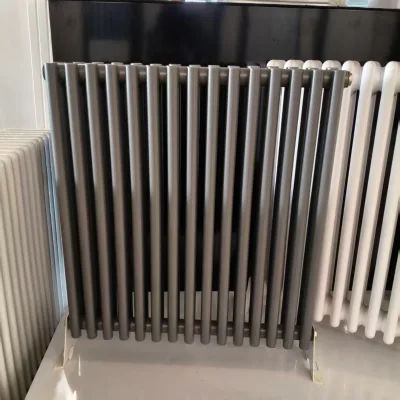
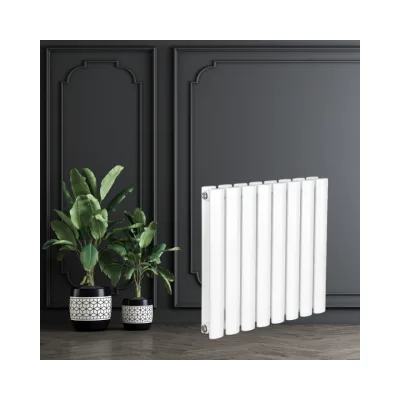
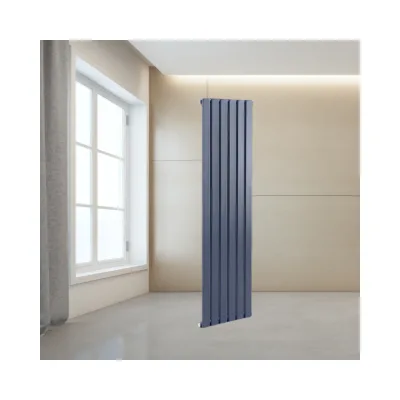


Comprehensive Sourcing Guide
Strategic Sourcing Guide for Wall Mounted Steel Radiators
Understanding Technical Specifications and Material Variations
When sourcing wall-mounted steel radiators, buyers must first navigate the complex landscape of material composition and design specifications. The core product category often lists "Steel" as a primary material, yet the supply chain frequently includes variations such as aluminum and cast iron, which possess distinct thermal properties and structural requirements. For a wall-mounted steel radiator, the material choice directly influences the unit's weight, heat retention, and corrosion resistance. Steel radiators are generally favored for their high thermal conductivity and ability to withstand high pressures, making them suitable for central heating systems. However, the specific grade of steel and the manufacturing process, such as welding or casting, determine the final durability.
The physical dimensions of these units are highly variable. Market data indicates that sizes are often customizable, with specific models ranging from compact bathroom racks measuring approximately 1288500mm to larger units reaching 1600450mm. The shape is another critical specification; while some models feature a modern square design, others may offer a four-column configuration to maximize surface area for heat dissipation. The installation type is explicitly defined as "Wall Mounted Installation," which requires precise mounting hardware and structural assessment of the wall to support the unit's weight when filled with water. Buyers should verify that the selected model's weight rating aligns with their building's load-bearing capacity. Furthermore, the voltage specifications for electric variants, if applicable, must match the local grid, typically ranging from 110V to 250V, ensuring compatibility with regional electrical standards.
Compliance and Certification Verification Protocols
In the international trade of heating equipment, compliance is not merely a formality but a prerequisite for market access and safety. The supplied product data highlights several critical certifications, including CE, TUV, GS, and NF. These marks indicate that the product meets specific European safety, health, and environmental protection requirements. The CE mark, for instance, is a mandatory conformity marking for products sold within the European Economic Area, signifying that the manufacturer has assessed the product and meets EU safety, health, and environmental protection requirements. The presence of TUV and GS marks suggests additional rigorous testing for safety and quality, which is particularly valuable for buyers in regions with strict regulatory environments.
However, buyers must exercise caution when interpreting these certifications. While the data lists "CE" and "TUV" as attributes, it is essential to verify that these certifications apply to the specific model being purchased, as manufacturers may hold certifications for some product lines but not others. The "NF" certification is another specific standard often associated with French norms, indicating compliance with local French regulations. For buyers sourcing from China, where the origin of many listed products is confirmed, understanding the distinction between these certifications is vital. The "Support customization" standard noted in the data implies that while the base model may meet certain standards, custom modifications could alter the certification status. Therefore, procurement teams must request updated certification documents for the specific customized configuration before finalizing an order to ensure that the modified product remains compliant with local regulations.
Cost Drivers and Pricing Structure Analysis
The pricing structure for wall-mounted steel radiators is influenced by a multitude of factors, resulting in a wide observed range from 0.1 to 100,000 USD. This broad spectrum reflects the diversity in product complexity, material quality, and order volume. The primary cost driver is the customization level. Products listed with "Customizable" attributes, such as specific colors like "Black Curved" or "Chrome/White," often command a premium due to the additional tooling and labor required for bespoke finishes. The material composition also plays a significant role; while steel is a standard material, the inclusion of aluminum or cast iron components in hybrid designs can alter the cost structure.
Order volume is another critical determinant of the final price. The Minimum Order Quantity (MOQ) varies significantly across suppliers, ranging from as low as 10 pieces to as high as 2000 units. Suppliers offering an MOQ of 10 pieces are typically targeting smaller retailers or renovation projects, whereas those requiring 50 sets or more are geared toward large-scale construction or wholesale distribution. The packaging method, whether "Individual Carton Package," "Carton," or "Pallet," also impacts logistics costs. Bulk shipments on pallets may reduce per-unit shipping costs but require higher upfront capital and storage capacity. Buyers should analyze the total landed cost, including shipping, insurance, and duties, rather than focusing solely on the unit price, as the latter can be misleading when comparing suppliers with different MOQs and packaging standards.
Typical Applications and Functional Requirements
Wall-mounted steel radiators serve diverse functional roles across various residential and commercial settings. The primary application is "Home Room Heating," where these units provide efficient thermal comfort in living spaces, bedrooms, and offices. The "Function" attribute explicitly lists "Room Heating" and "Home Room Heating," confirming their suitability for general space heating. In bathroom environments, the application shifts slightly to include towel drying, as evidenced by product names like "Avonflow Towel Radiator Black Bath Towel Rack." These units often feature specific dimensions and designs, such as the 1600*450mm size, optimized for mounting in wet areas while providing heat and a drying surface.
The design style is another factor influencing application suitability. Modern square designs and curved black finishes cater to contemporary interior aesthetics, making them ideal for modern apartments and commercial lobbies. The "Installation Type" of wall-mounted installation allows for space-saving solutions, which is particularly beneficial in smaller rooms or areas where floor space is limited. Additionally, the "Color" attribute, which includes options like "Chrome/White" and "Customized," allows buyers to match the radiator to the interior design scheme. For commercial applications, the "Testing Pressure" of 1.5 MPa is a crucial specification, ensuring the unit can withstand the higher pressures often found in large building heating systems. Buyers must match the radiator's functional capabilities, such as voltage requirements for electric models, to the specific needs of the installation site.
Supplier Evaluation and Origin Verification
Evaluating suppliers for wall-mounted steel radiators requires a thorough assessment of their location, production capabilities, and after-sales support. The data indicates that the "Place of Origin" is predominantly China, with specific mentions of Tianjin as a manufacturing hub. This concentration suggests a mature supply chain with established logistics networks, but it also necessitates careful due diligence regarding the specific factory's reputation and capacity. Buyers should verify the "Brand Name" associated with the product, such as "Fondu," to ensure brand consistency and traceability.
The "After-sale Service" attribute is a critical differentiator in supplier selection. Options listed include "Online Technical Support" and "Other" services, which can range from warranty claims to installation guidance. A supplier offering robust online technical support can significantly reduce the risk of installation errors and post-purchase issues. Furthermore, the "Customization" availability indicates that the supplier has the flexibility to adapt products to specific buyer requirements. However, buyers must confirm the extent of this customization, as "Support customization" is a broad term that could range from simple color changes to complex structural modifications. It is advisable to request a detailed specification sheet from the supplier to understand the limits of their customization capabilities and to ensure that the proposed changes do not compromise the product's structural integrity or certification status.
Quality Control and Long-Term Procurement Considerations
Ensuring the quality of wall-mounted steel radiators involves rigorous testing and adherence to established standards. The "Testing Pressure" of 1.5 MPa is a key quality metric, indicating the maximum pressure the radiator can withstand without failure. Buyers should verify that this test is conducted on every unit or a statistically significant sample batch to ensure consistency. The "prod_standard" attribute, which includes values like "813/760/660/460," likely refers to specific dimensional or performance standards that the product must meet. These standards serve as benchmarks for quality and should be cross-referenced with local regulations to ensure compliance.
Long-term procurement considerations extend beyond the initial purchase to include maintenance, warranty, and supply chain reliability. The "Delivery Time" of "45 Days After Received Your Payment" is a critical lead time factor that impacts project scheduling. Buyers must account for this duration when planning construction or renovation timelines. Additionally, the "prod_packing" method, whether "Carton" or "Pallet," affects the condition of the product upon arrival. Proper packaging is essential to prevent damage during transit, which can lead to costly returns or replacements. For long-term partnerships, buyers should prioritize suppliers who demonstrate a commitment to quality control through certifications like CE, TUV, and GS, and who offer comprehensive after-sales support. This approach ensures that the procurement process is not only efficient but also sustainable, minimizing risks and maximizing the value of the investment over the product's lifecycle.
FAQs
What certifications do wall mounted steel radiators typically have?
Many wall mounted steel radiators carry CE, TUV, GS, and NF certifications to ensure safety compliance. These marks indicate adherence to European standards for health, safety, and environmental protection, which is essential for international trade and market access.
Can I customize the size and color of these radiators?
Yes, customization is available for size, color, and model specifications to meet specific project needs. Buyers can request dimensions like 1288*500mm or 1600*450mm and choose finishes such as black curved or chrome white to match interior designs.
What is the typical lead time for delivery after payment?
The standard delivery time is 45 days after receiving your payment for most orders. This lead time allows for manufacturing, quality control, and packaging, which may vary slightly depending on the specific customization level and order volume.
Which installation types are supported for these heating units?
These units support both floor and wall mounted installation types to suit different room layouts. Wall mounted installation is common for space-saving solutions, requiring proper structural assessment to ensure the wall can support the unit's weight when filled with water.
What materials are used to construct these radiators?
The primary materials include steel, aluminum, and cast iron, each offering distinct thermal properties. Steel is favored for high thermal conductivity and pressure resistance, while aluminum and cast iron provide alternative durability and heat retention characteristics for various applications.
How does the minimum order quantity affect pricing?
The minimum order quantity ranges from 10 pieces to 2000 units, significantly influencing the final unit price. Lower MOQs often target smaller retailers, while higher volumes cater to wholesale distribution, with pricing structures reflecting material quality and customization complexity.
What is the testing pressure rating for these radiators?
The testing pressure rating is typically 1.5 MPa, ensuring the unit can withstand high pressures in central heating systems. This metric is crucial for commercial applications where larger building systems operate under higher pressure conditions to maintain safety and performance.